
Does Birth Control Affect Fertility? What the Science Really Says
If you’ve ever wondered if birth control affects fertility, you’re not alone. Maybe you’ve been on the pill since your early twenties. Maybe you’ve had an IUD for years. Now you’re starting to think about getting pregnant someday, or at least wanting to keep that option open, and suddenly this quiet panic shows up: Did I wait too long? Can birth control affect fertility long-term? Did I somehow do something “wrong” by staying on it?
Let’s unpack what the science actually says about birth control and fertility.
Types of Birth Control
When people ask, “Does birth control affect fertility?” they’re usually talking about hormonal or device-based methods that are very effective at preventing pregnancy. The most common are:
- Oral contraceptives (birth control pills)
- IUDs (hormonal and copper)
- The birth control implant
- The birth control injection
- The hormonal vaginal ring
Each of these works a little differently, and that’s why questions like can birth control affect fertility or does the IUD affect fertility don’t have a one-size-fits-all answer. The real question is: what happens to your cycle and your chances of conceiving while you’re using them, and how quickly does fertility usually return after you stop?
Oral Contraceptives and Fertility
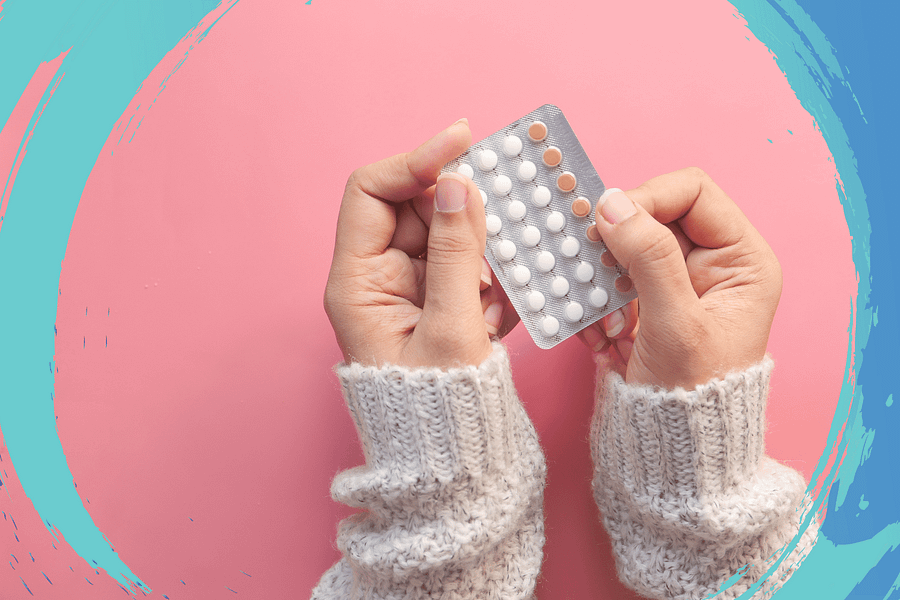
Birth control pills are one of the most common methods, so it’s no surprise that questions about birth control pills and fertility come up all the time.
Types of Birth Control Pills
There are two main types of birth control pills:
- Combined oral contraceptives (contain both estrogen and progestin)
- Progestin-only pills (often called the “mini-pill”)
Both are oral contraceptives, and most of the concerns around long-term use of oral contraceptives and fertility apply to either type. The details of side effects can differ, but the big-picture fertility story is similar.
How Oral Contraceptives Work
Here’s how oral contraceptives work, in simple terms:
- They usually prevent ovulation, so you don’t release an egg.
- They thicken cervical mucus, making it harder for sperm to get through.
- They can thin the uterine lining, so it’s less likely for a fertilized egg to implant.
So birth control and hormones are very closely linked. The pill uses synthetic hormones to keep your reproductive system in a controlled, temporary pattern. It’s like putting certain parts of your cycle on pause. The key idea is that this pause is intended to be reversible.
Can Oral Birth Control Affect Fertility?
This is the heart of it: can birth control affect fertility in a permanent way, especially after years on the pill?
Current research is reassuring:
Long-term use of oral contraceptives does not appear to cause permanent infertility for most people.
For many, fertility returns within a few weeks to a few months after stopping birth control pills.
Some people get pregnant very quickly after stopping; others need a few cycles for things to settle.
So why does it sometimes feel like birth control pills and fertility are a bad mix?
A few reasons:
The pill can mask underlying issues like PCOS, irregular cycles, or other hormone imbalances. When you stop, your “real” cycle shows up again. That can look like a new problem, but often it was simply hidden before.
Your period may take time to regulate after stopping, which can make timing ovulation trickier for a while.
Age keeps moving no matter what. If you stopped the pill at 34 or 38 and found it hard to conceive, it’s easy to blame the pill. But often, the bigger factor is age-related changes in egg quality.
How long should you be on birth control pills before you worry?
For most people, there isn’t a fixed “too long.” The more important questions are: how old are you now, what’s your ovarian reserve like, and what are your family-building goals? Those are the pieces that matter more for fertility than the number of pill packs you’ve finished.
If you’ve been on the pill for many years and you’re starting to think ahead, it can be helpful to talk to a fertility specialist, check your ovarian reserve, and, in some cases, consider egg freezing as part of planning.
The IUD and Fertility
IUDs have become incredibly popular, and with that popularity comes a very common search: Does the IUD affect fertility?
Types of IUDs
There are two main types of IUDs:
- Hormonal IUDs (release a small amount of progestin in the uterus)
- Copper IUDs (non-hormonal)
Both are highly effective and long-acting, but they work in different ways, which is why they can have different effects on your bleeding patterns and side effects while in place.
How IUDs Work
Hormonal IUDs:
- Thicken cervical mucus
- Thin the uterine lining
- May suppress ovulation in some users
Copper IUDs:
- Release copper ions that create a sperm-unfriendly environment
- Make it harder for sperm to reach and fertilize an egg
In both cases, the goal is the same: reliable, reversible contraception that you can “set and forget” for years.
Does the IUD Affect Fertility?
The science here is also reassuring. Modern IUDs do not appear to cause permanent infertility on their own.
What we know:
Most people return to their baseline fertility after IUD removal, often quite quickly.
The biggest historical fertility concern was infection (pelvic inflammatory disease), not the device itself. Modern insertion practices and screening have significantly reduced that risk.
If there is no serious complication, fertility after IUD removal is usually similar to that of someone the same age who was not using an IUD.
So if you’re asking, “Does the IUD affect fertility long term?” the answer for most people is no. Your chances of conceiving later are far more influenced by age, egg quality, and underlying reproductive health than by the fact that you used an IUD.
Other Forms of Birth Control and Fertility
Not everyone uses pills or an IUD. Many people rely on other hormonal options and wonder how those fit in.
Birth Control Implant
The birth control implant is a small rod placed under the skin of your arm. It releases progestin over several years and usually suppresses ovulation.
Fertility after implant removal: for most people, fertility returns once the hormone level drops.
The timing can vary from person to person, but the implant is not known to cause permanent infertility.
Birth Control Injection
The birth control injection (often Depo-Provera) is one method where timing really matters and can create confusion.
Here’s what’s important:
It uses a progestin injection every few months to prevent ovulation.
Fertility usually returns after stopping, but it can be delayed. Some people don’t ovulate regularly again for several months, sometimes up to a year after the last shot.
That delay can make it feel like the birth control injection affected fertility in a lasting way, when what’s really happening is a longer “reset” period.
Hormonal Ring
The hormonal vaginal ring is a flexible ring you place in the vagina. It releases estrogen and progestin, similar to some types of birth control pills.
In terms of oral contraceptives and fertility versus the ring:
The ring and combined pills are quite similar in how they affect hormones and ovulation while you’re using them.
Fertility typically returns fairly quickly after stopping the ring, often within a few cycles.
Getting Pregnant After Birth Control
So, does birth control affect fertility? Can birth control affect fertility in a permanent way? For most modern methods, the answer is no. What they do is:
- Temporarily change your hormones and ovulation while you’re using them
- Sometimes delay the return of regular cycles after you stop (especially with the injection)
What strongly affects fertility over the long term are:
- Age
- Egg quality
- Underlying conditions like endometriosis, PCOS, or diminished ovarian reserve
If you’ve stopped birth control and your period hasn’t returned after several months, or you’ve been trying to conceive without success, it’s a good idea to talk to a fertility specialist. They can check in on your ovarian reserve, help you understand what’s going on, and discuss options. For some, that might include egg freezing to create more options for the future.
If you’re reading this and worrying that years on birth control “ruined” your chances, you can let go of that blame. You made thoughtful, responsible decisions based on the information you had and the life you were living at the time. Now you’re allowed to ask new questions and make new plans.
If you’d like help understanding how your specific method, how long you’ve been on it, and your age fit together, the team at EVOLVE can walk you through your options and support you in planning your reproductive future on your own terms.